
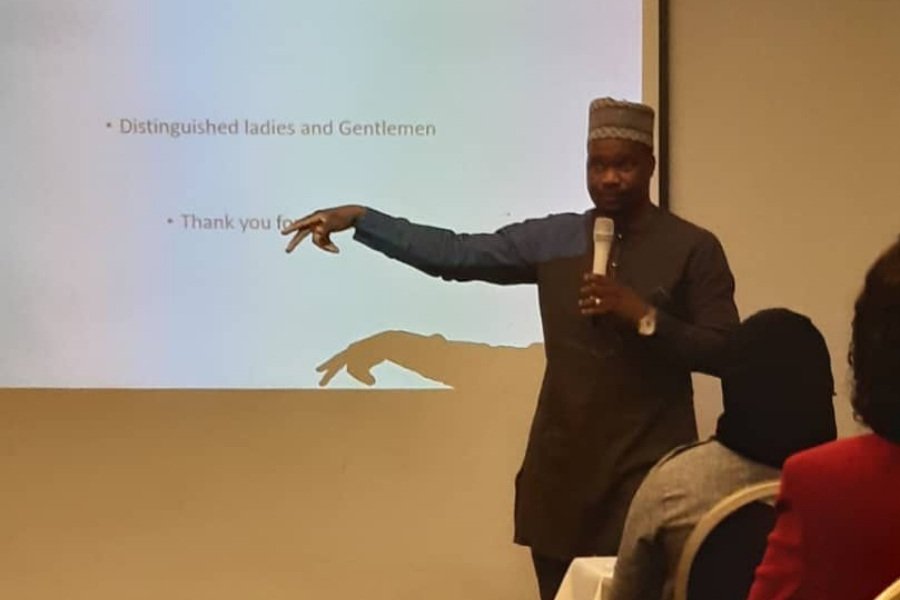
Introduction Healthcare systems across Africa and other developing regions continue to face increasing pressure from population growth, workforce shortages, limited resources, and evolving disease patterns. While clinical expertise remains essential, it is no longer sufficient on its own to drive sustainable healthcare outcomes. Strong leadership has emerged as a critical factor in building resilient, efficient, and responsive health systems. Without capable leadership, even the most skilled healthcare professionals and well-funded institutions struggle to deliver meaningful impact. The Leadership Gap in Healthcare In many healthcare environments, professionals rise into leadership roles based on clinical experience rather than formal leadership training. While they may excel in patient care, managing systems, teams, and resources requires a completely different skill set. This gap often results in: When leadership is unstructured or reactive, healthcare systems tend to produce inconsistent and unsustainable results. Leadership as a Driver of System Efficiency Effective leadership plays a vital role in improving how healthcare systems operate. Leaders are responsible for setting direction, aligning teams, and ensuring that resources are used efficiently. Strong healthcare leaders: When leadership is intentional and well-structured, healthcare institutions become more efficient and capable of delivering quality care. Improving Healthcare Workforce Retention One of the most pressing challenges in Africa’s healthcare system is the migration of skilled professionals to other countries in search of better opportunities. Leadership plays a major role in addressing this issue. Healthcare professionals are more likely to stay and grow within systems that: Strong leadership fosters motivation, engagement, and a sense of purpose, all of which contribute to workforce retention and stability. Driving Innovation and Adaptation Healthcare systems must continuously evolve to meet changing needs, including the adoption of digital health technologies, new treatment approaches, and innovative service delivery models. Leadership is essential in driving this transformation. Effective leaders: Without strong leadership, innovation is often slow, fragmented, or resisted altogether. Strengthening Collaboration Across Sectors Healthcare does not operate in isolation. It requires collaboration between government bodies, private sector organizations, academic institutions, and development partners. Leadership enables this collaboration by: Through effective leadership, healthcare systems can leverage collective expertise and resources to achieve greater impact. Leadership and Policy Influence Healthcare leaders play a crucial role in shaping policies that affect system performance and public health outcomes. Strong leadership ensures that: Leaders serve as a bridge between frontline realities and policy-level decision-making. Building Resilient Health Systems Resilience is the ability of a healthcare system to withstand shocks such as disease outbreaks, economic challenges, or workforce disruptions. Leadership is central to building this resilience. Effective leaders: The COVID-19 pandemic clearly demonstrated that systems with strong leadership were better equipped to respond and recover. The Way Forward: Investing in Leadership Development To strengthen healthcare systems, there must be deliberate investment in leadership development at all levels. This includes: Initiatives such as the H-LEMP Africa Conference play a vital role in addressing this need by equipping healthcare professionals with the leadership, entrepreneurship, and management skills required for system transformation. Conclusion Leadership is not just an added advantage in healthcare—it is a necessity. It determines how effectively systems function, how resources are utilized, and how well institutions adapt to change. By prioritizing leadership development, healthcare systems across Africa can become more efficient, innovative, and resilient, ultimately leading to improved health outcomes for communities.